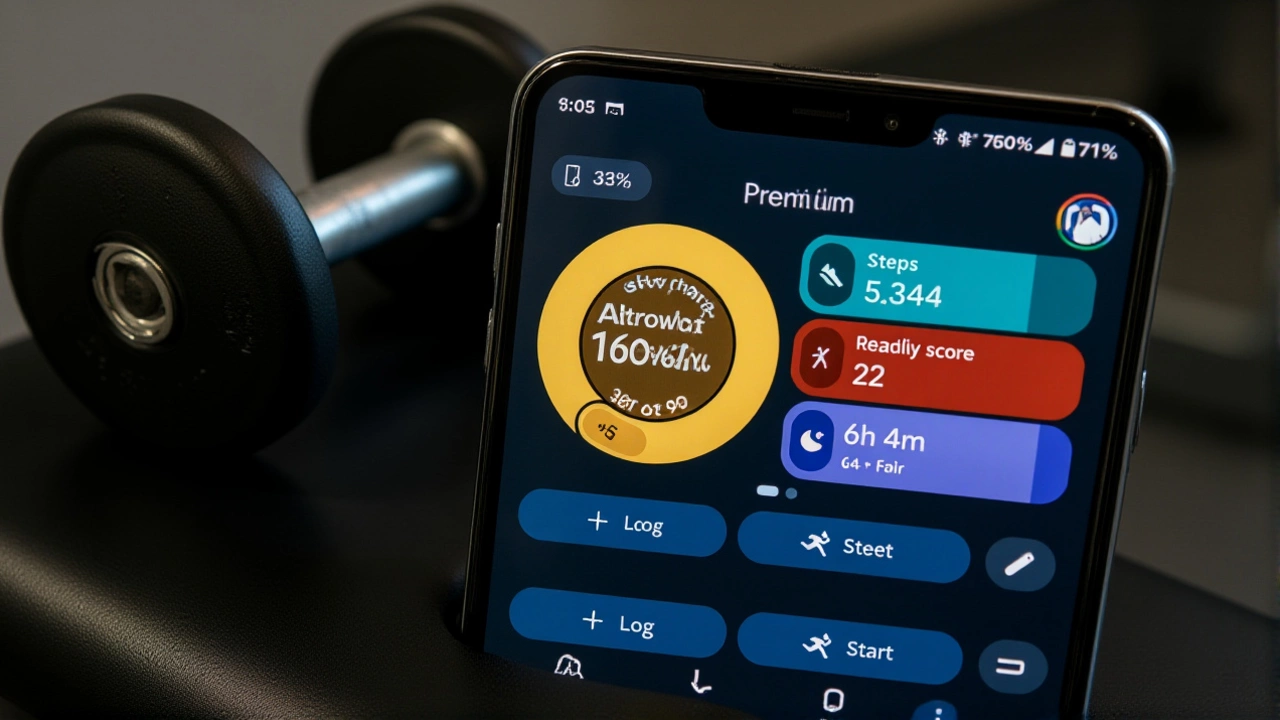
On May 19, 2026, the familiar blue logo of the Fitbit app will vanish from your phone screen. In its place? The newly redesigned Google Health app. It’s not just a name change; it’s a complete overhaul that merges years of wearable data with Gemini AI to create what Google LLC calls a “fully redesigned and improved experience.”
Here’s the thing: if you’ve been loyal to Fitbit for years, you might feel a pang of loss. But wait—there’s also a lot to gain. The new platform promises easier access to sleep metrics, better nap tracking, and significantly more control over your personal health data. Turns out, Google isn’t just renaming an app; it’s trying to build the central nervous system for your digital well-being.
The End of an Era (and the Start of Another)
Let’s get the timeline straight. On May 19, 2026, the existing Fitbit app officially becomes the Google Health app. Simultaneously, the subscription service known as Fitbit Premium will be renamed Google Health Premium. This isn’t a soft launch or a beta test. It’s a hard switch.
Google’s product support documentation explicitly positions this as an evolution, stating the new app is “built on what you love -- with a fresh update.” They’re betting that long-time users won’t revolt against the change because the core functionality remains intact. The goal? To make it easier to find what you’re looking for so you can quickly track progress toward sleep, fitness, and health goals.
But why now? The move signals Google’s intent to consolidate its fragmented health offerings under one roof. By absorbing Fitbit’s user base directly into its own branded ecosystem, Google removes the friction of switching apps and strengthens its position against rivals like Apple Inc. and Samsung Electronics.
Naps, Metrics, and Your Data
If there’s one theme dominating early reviews, it’s simplicity mixed with depth. Technology publication Android Authority summarized the latest update with a catchy trio: “all about naps, metrics, and more control over your data.”
That mention of naps isn’t trivial. The updated interface now surfaces nap-related sleep tracking more prominently, acknowledging that modern life rarely allows for perfect eight-hour blocks. Meanwhile, the emphasis on “metrics” suggests a richer display of quantifiable health data. Perhaps most importantly, the promise of “more control over your data” addresses a growing consumer demand for transparency in how health information is stored and shared.
Oddly enough, while the features sound robust, some longtime users are skeptical. CNET noted that while the new “Sleep and Health stat dashboards” are accessible with a single tap, they “neither feel as comprehensive” as the legacy Fitbit app. It’s a classic tech trade-off: sleeker design versus granular detail.
AI Takes the Wheel
The real game-changer here is artificial intelligence. Media outlet BRIT ASIA TV reported that Google’s strategy hinges on bringing Gemini AI into health, fitness, and sleep. This isn’t just about counting steps anymore; it’s about interpretation.
CNET described “Google's AI Health Guidance” as a core feature, offering personalized coaching based on your unique patterns. For enterprise users, Google Health Enterprise uses this same AI engine to tailor workout plans and sleep recommendations to individual needs. Imagine an app that doesn’t just tell you slept poorly, but explains *why* and suggests specific adjustments for tomorrow night.
This AI-driven approach aims to compete directly with Apple’s HealthKit and Samsung’s Health Monitor. By integrating data from diverse sources—including potentially non-Google devices like Oura Rings or even Apple Watches—Google hopes to become the universal hub for health insights, regardless of hardware.
The Science Behind the Screen
Google hasn’t pulled these features out of thin air. They’re backed by years of research. A major study using data from over 6,700 Fitbit users revealed critical links between sleep habits and disease. The findings were stark: every additional hour of sleep was associated with lower odds of obesity and sleep apnea, while inconsistent sleep patterns were tied to high blood pressure, depression, anxiety, and migraines.
This research underscores why sleep quality matters as much as duration. The study highlighted that the balance of REM, light, and deep sleep plays a crucial role in heart health and mental well-being. It also noted demographic disparities, such as women tending to sleep longer than men, which informs how Google’s algorithms personalize recommendations today.
Hardware innovations have paved the way too. The second-generation Google Nest Hub introduced contactless Sleep Sensing using Soli radar technology. Priced at $99.99, this device monitors respiratory rate and movement without requiring a wearable. All audio processing happens on-device, ensuring privacy—a principle now carried forward into the broader Google Health ecosystem.
What Comes Next?
As we look beyond May 2026, the focus shifts to integration. Will the AI guidance be accurate enough to trust? How will data portability work for users leaving the ecosystem? And will the “futuristic AI wearables” rumored by industry watchers deliver on their promises?
For now, the message is clear: Google wants to be the first stop for your health journey. Whether you’re tracking a quick afternoon nap or managing chronic conditions through enterprise solutions, the new Google Health app aims to provide answers—not just numbers.
Frequently Asked Questions
When does the Fitbit app officially become Google Health?
The transition occurs on May 19, 2026. On this date, the Fitbit app will be replaced by the redesigned Google Health app, and Fitbit Premium will be renamed Google Health Premium. Users should expect a seamless migration of their historical data.
Will I lose my Fitbit history after the update?
No, your historical data should remain intact. Google has stated the new app is built on the existing Fitbit experience, implying continuity of records. However, the interface for viewing past stats may change, with new dashboards prioritizing sleep and health metrics over raw activity logs.
How does Gemini AI improve health tracking?
Gemini AI provides personalized health guidance rather than just displaying data. It analyzes trends in your sleep, fitness, and daily habits to offer tailored recommendations, such as adjusting workout intensity or suggesting sleep schedule changes to improve overall well-being.
Can I connect non-Fitbit devices to Google Health?
Yes, the new platform aims to aggregate data from multiple sources. Reports indicate compatibility with devices like Apple Watches and Oura Rings, allowing Google Health to serve as a centralized hub for all your health metrics, regardless of the hardware brand.
Is the Google Health app free to use?
The core app is free, but advanced features are locked behind Google Health Premium, the successor to Fitbit Premium. While basic tracking remains accessible, AI-driven insights and detailed health reports likely require a subscription, continuing the monetization model established by Fitbit.